 Posted by
 The Courage of a Comedian Turned Wartime President
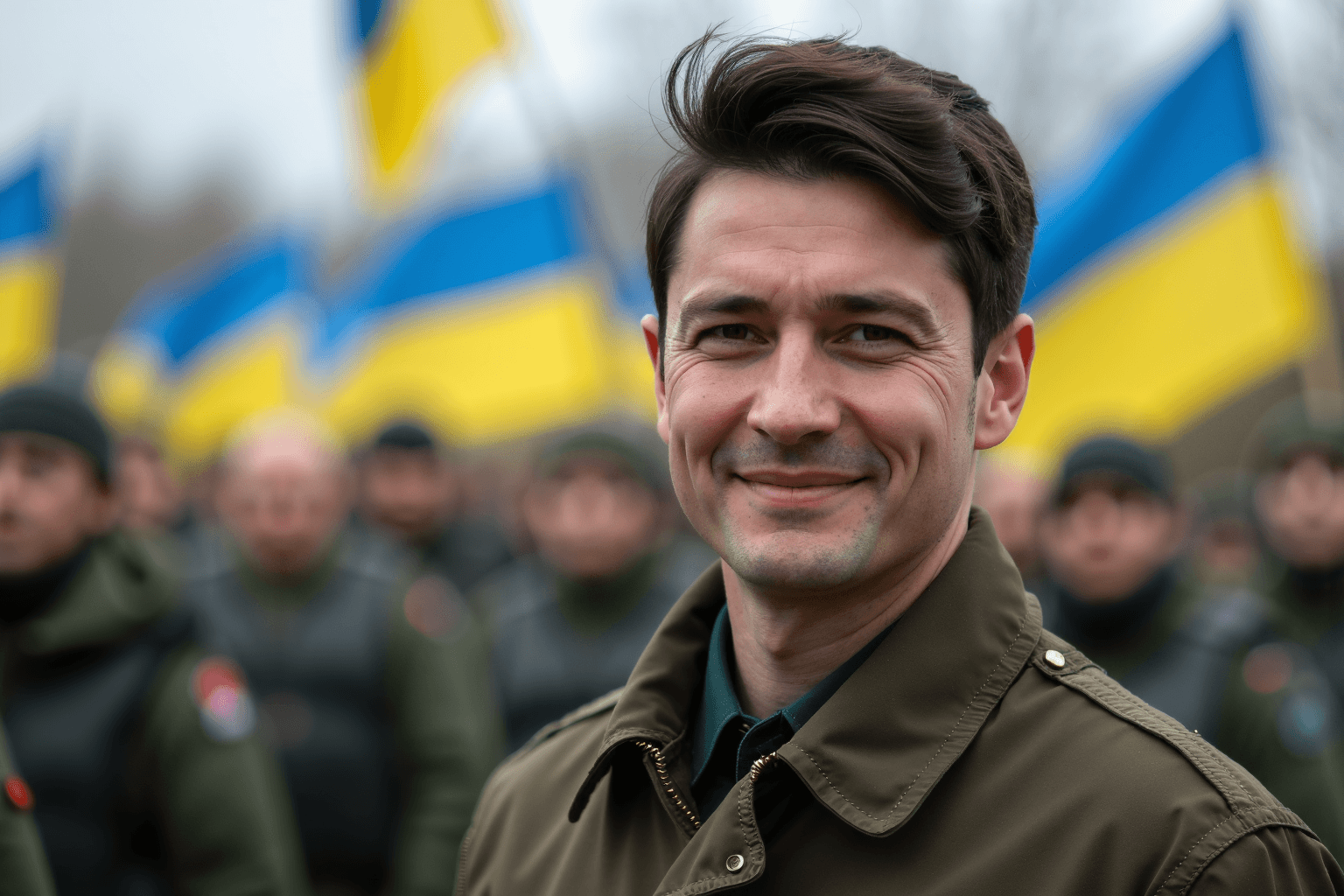
Volodymyr Zelenskyy’s journey from a comedian to wartime president exemplifies extraordinary courage and resilience. Initially known for his humor and entertainment career, his leadership during the Russo-Ukrainian War transformed him into a global symbol of defiance against Russian aggression. This shift underscores how his authentic communication and unwavering resolve have redefined his public persona. Zelenskyy’s decision to remain in Kyiv despite imminent threats sent a powerful message of national unity, refusing to yield to occupation.
His nightly addresses to citizens, often filmed in the streets, combined accessibility with authority, fostering hope among Ukrainians. These direct communications, amplified by social media and international media, highlighted his ability to connect with both domestic and global audiences. Political analysts praise his crisis management, noting his strategic use of messaging and commitment to democratic values as critical to Ukraine’s resilience. His leadership has become a case study in how authenticity and clarity can galvanize support during existential threats.
Beyond his physical courage, Zelenskyy’s strategic communication has been pivotal in rallying international support. His appeals to global bodies, delivered with passion and conviction, have mobilized unprecedented aid and solidarity for Ukraine. This diplomatic effectiveness stems from his ability to frame the conflict as a universal struggle for sovereignty and human dignity. By maintaining a visible presence in Kyiv, he embodied resistance, turning personal risk into a symbol of national determination. His actions demonstrated that leadership in crisis requires not just policy decisions but also emotional intelligence to inspire collective action. The contrast between his former comedic persona and his wartime gravitas further emphasizes his adaptability and sincerity, qualities that have endeared him to supporters worldwide.
Zelenskyy’s leadership also reflects a profound understanding of courage as a moral choice rather than mere bravery. His quote, ‘Courage is not the absence of fear, but the triumph of dignity over fear,’ encapsulates his approach to governance. Unlike traditional warrior imagery, his courage lies in prioritizing his people’s safety over personal security, a decision that resonated deeply during Kyiv’s siege. This quiet determination, combined with his refusal to leave the capital, reinforced Ukraine’s resolve to defend its sovereignty. His leadership style, marked by transparency and consistency, has been analyzed as a model for modern crisis management. By avoiding political theatrics and focusing on actionable steps, he has maintained credibility both domestically and internationally. Experts argue that his success hinges on balancing emotional appeals with pragmatic diplomacy, ensuring Ukraine’s narrative remains cohesive amid global scrutiny.
The global impact of Zelenskyy’s leadership extends beyond Ukraine’s borders, influencing perceptions of leadership in times of crisis. His ability to humanize the conflict through personal stories and direct communication has shifted international discourse, framing Ukraine’s struggle as a defense of democratic principles. This narrative has been instrumental in securing military and humanitarian aid from Western nations.
Moreover, his use of social media to bypass traditional media channels allowed him to control the narrative, countering Russian disinformation effectively. Political analysts highlight his consistency in messaging as a key factor, ensuring that his appeals for support remained unified and compelling. By remaining in Kyiv, he not only symbolized resistance but also demonstrated the practical application of his leadership philosophy—prioritizing national dignity over convenience or safety.
Zelenskyy’s transformation into a wartime leader illustrates the intersection of personal conviction and strategic action. His journey from a comedian to a figure of global admiration underscores the power of authenticity in leadership. By embracing vulnerability—remaining in Kyiv despite danger—he redefined what it means to lead during a national crisis. This physical and moral courage, paired with his mastery of communication, has cemented his legacy as a leader who turned adversity into a platform for hope. As the conflict evolves, his example continues to inspire discussions on resilience, the role of media in modern governance, and the enduring importance of democratic values in times of war.
Conclusion: A Testament to Courage and Resilience
Volodymyr Zelenskyy’s leadership during the Russo-Ukrainian War proves how courage can flourish when facing adversity. His actions show dignity triumphing over fear, sparking resilience in Ukraine and beyond. He redefined what it means to lead in modern conflict, proving strength comes from sticking to principles and people, not just weapons. When Russia invaded, he stayed in Kyiv while others urged him to leave, sending a clear message: Ukraine would fight. This choice became a symbol of defiance against oppression.
His use of social media to speak directly to citizens and the world helped unite people. Nightly speeches from Kyiv’s streets offered updates, hope, and a counter to Russian lies. This approach built national pride and kept morale high. He also spoke to global leaders with clarity and urgency, securing critical aid. Analysts note his style mirrors Winston Churchill’s wartime speeches, highlighting how calm, determined communication matters most in crises.
Zelenskyy connects emotionally by showing both fear and resolve. This balance made him relatable yet unyielding, turning him into a global symbol of hope. His leadership didn’t just unite Ukrainians—it reminded the world why democracy and freedom matter. What he’s done will influence how leaders respond to crises for years. His example teaches that standing firm, even when odds seem impossible, can change outcomes.
From Stage to State: Zelenskyy's Unlikely Path to Leadership
Volodymyr Zelenskyy’s path to the presidency is a story of an entertainer who transitioned into a wartime leader, captivating global attention. Before the war, Zelenskyy was a popular comedian and actor, renowned for his role in the television series “Servant of the People,” where he satirically portrayed a high school teacher unexpectedly propelled to the presidency. This role, blurring the lines between fiction and reality, foreshadowed his real-life destiny and provided a unique foundation for his political career. His widespread recognition and connection with the Ukrainian people, cultivated through his entertainment career, proved invaluable in his subsequent political endeavors. This unlikely trajectory from the stage to the highest office in the land makes his wartime leadership all the more remarkable, demonstrating an adaptability and resilience rarely seen in political figures.
Zelenskyy’s deep understanding of the Ukrainian psyche, honed through years of engaging with audiences through comedy and drama, allowed him to connect with the nation on an emotional level during its darkest hour. His ability to communicate effectively and inspire hope, skills developed through his entertainment background, became crucial assets in rallying the Ukrainian people against Russian aggression. Moreover, his pre-war experience in portraying a fictional president gave him a unique perspective on the challenges and responsibilities of leadership, which he was able to draw upon when faced with the realities of leading a nation at war.
The contrast between his light-hearted comedic persona and the gravity of his wartime leadership underscores the profound transformation he underwent, resonating with audiences worldwide and solidifying his image as a courageous and resolute leader. His courage under fire has not only unified his nation but also inspired a global movement of support for Ukraine, demonstrating the power of leadership rooted in authenticity and connection with the people.
Zelenskyy’s journey from comedian to wartime president stands as a testament to the unpredictable nature of leadership and the potential for individuals to rise to extraordinary challenges, even from the most unexpected of backgrounds. His story underscores the importance of communication, empathy, and a deep understanding of the people one leads, qualities that have become hallmarks of his leadership during the ongoing conflict.
"Courage is Not the Absence of Fear": A Defining Statement
Volodymyr Zelenskyy’s iconic statement that “courage is not the absence of fear, but the triumph of dignity over fear” transcends a simple sound bite to embody his core leadership philosophy during Ukraine’s war. This declaration, made as Russian forces advanced on Kyiv, served as a rallying cry for a nation facing existential threat. It encapsulates political courage—the willingness to act on principle despite overwhelming odds—and provides a framework for understanding both Zelenskyy’s actions and the broader Ukrainian resistance. His words highlight the distinction between unrealistic fearlessness and the active choice to prioritize dignity and values when confronted by fear’s paralyzing grip.
Zelenskyy’s leadership exemplifies his belief in the triumph of dignity over fear through consistent presence in Kyiv, direct communication with his people, and unwavering appeals to the international community. His decision to remain in the capital, despite clear danger, was not reckless bravado but a calculated choice to uphold his duty to Ukraine and demonstrate that the nation would not be intimidated. This strategic act of defiance directly countered Russian propaganda, which had anticipated a quick collapse of the Ukrainian government. Instead, it became a powerful symbol of resistance, bolstering national morale and galvanizing international support.
Zelenskyy’s concept of courage is intrinsically linked to his commitment to democratic values and human rights, a core tenet of his leadership that starkly contrasts with his adversary’s authoritarianism. This commitment to dignity extends beyond rhetoric to his policies and actions, including consistent emphasis on transparency and accountability even amidst war. His approach highlights the importance of ethical leadership in crisis, demonstrating that true strength lies in unwavering commitment to values rather than brute force. This alignment of principles has been critical in mobilizing international aid and sanctions against Russia, proving that moral leadership can be a powerful force on the global stage.
The impact of Zelenskyy’s definition of courage extends beyond Ukraine’s borders, offering a universal principle applicable to various challenges and crises. His leadership serves as a case study in effective crisis management, showcasing the power of communication, empathy, and commitment to values in the face of adversity. Political analysts note how his consistent messaging through various channels has kept Ukrainians informed while mobilizing international public opinion. His approach demonstrates how leaders can inspire hope and galvanize action during conflict and uncertainty—a critical skill in today’s interconnected world of international affairs.
Zelenskyy’s quote is not merely a statement but a demonstration of his leadership that encapsulates Ukraine’s resistance spirit. His commitment to dignity over fear has become a guiding principle for his nation and an inspiration globally. The profound impact of this understanding of courage and wartime leadership makes it a pivotal aspect of his legacy. The concept of political courage, as exemplified by Zelenskyy, is crucial for comprehending not only the war in Ukraine but also broader challenges facing the global community, providing an important case study in how a leader can inspire a nation and mobilize international support through unwavering commitment to core values.
Acts of Courage: Zelenskyy's Defining Moments
Volodymyr Zelenskyy’s courageous leadership transcended rhetoric from the outset of the Russian invasion, manifesting in decisive actions. His unwavering decision to remain in Kyiv, the besieged capital, when Russian forces were at its doorstep sent a potent message of defiance and solidarity. This act of political courage, contrasting leaders seeking refuge abroad, solidified his image as a wartime leader committed to Ukraine’s fate. It resonated deeply within Ukraine, bolstering morale and inspiring resistance against an existential threat. From a world affairs perspective, this bold move signaled to international allies that Ukraine’s leadership was steadfast, bolstering support for the embattled nation and capturing global admiration.
Zelenskyy’s constant communication with the Ukrainian people, delivered through social media and direct addresses, amplified his message of resilience. These frequent updates, often from Kyiv’s streets, provided vital information, countered Russian disinformation, and fostered national unity. His transparency and accessibility stood in stark contrast to the Kremlin’s opaque propaganda, highlighting his commitment to democratic values and open communication. In political analysis, this direct engagement is seen as crucial for maintaining public trust and galvanizing support during crisis.
Another hallmark of Zelenskyy’s courageous leadership was his direct appeals to international bodies like the United Nations and European Parliament. His impassioned pleas for assistance, delivered via video link under constant threat, brought the war’s realities directly to the world stage. These were powerful calls to action, framed as defending democracy and international law against unprovoked aggression. This skillful navigation secured vital military and humanitarian aid, demonstrating the practical impact on the war’s trajectory. Furthermore, his communication resonated globally, transforming him into a symbol of resistance against authoritarianism and solidifying his legacy as a transformative figure in history.
A Nation United: Zelenskyy's Impact on Ukrainian Resilience
Zelenskyy’s unwavering resolve has galvanized Ukrainian citizens, forging a powerful sense of national unity against the backdrop of the Russian invasion. His leadership, characterized by courage and determination, has inspired resistance and solidified a collective identity in the face of existential threat. This unity transcends political divides and geographic boundaries, uniting Ukrainians in a common purpose: the defense of their nation and their freedom. Zelenskyy’s wartime addresses, delivered directly to the Ukrainian people and the world, have played a crucial role in fostering this national spirit. His direct and honest communication style, coupled with his refusal to leave Kyiv, has resonated deeply with Ukrainians, fostering a sense of shared sacrifice and resilience. These addresses, often delivered from the streets of Kyiv or his presidential office, have become iconic moments of political courage, demonstrating Zelenskyy’s commitment to his people and his nation.
Furthermore, Zelenskyy’s leadership has fostered a sense of shared responsibility among Ukrainians. Citizens from all walks of life have taken up arms, volunteered in support roles, or contributed to the war effort in countless other ways. This collective action, inspired by Zelenskyy’s example, demonstrates the profound impact of his leadership on Ukrainian society.
His emphasis on democratic values and the rule of law has further strengthened this unity, contrasting sharply with the authoritarianism of the invading force. The Ukrainian people’s resilience under Zelenskyy’s leadership serves as a testament to the power of shared purpose and national identity in times of crisis. His ability to connect with the Ukrainian people, to articulate their hopes and fears, and to inspire them to action has been instrumental in shaping the nation’s response to the war.
This connection, fostered through his speeches, his social media presence, and his visible presence in Kyiv, has created a powerful bond between leader and citizen. Zelenskyy’s leadership has not only unified the Ukrainian people but also elevated him to a global symbol of resistance against tyranny. His courage and determination have resonated far beyond Ukraine’s borders, inspiring individuals and nations worldwide to support the fight for freedom and democracy.
A Global Symbol of Resistance: Zelenskyy's Worldwide Impact
Volodymyr Zelenskyy’s courageous stance has indeed transcended the borders of Ukraine, resonating deeply within the global community. His leadership during the war has become a powerful symbol, galvanizing support from a diverse array of nations and individuals who champion the principles of democracy and freedom. This widespread international backing is not merely symbolic; it manifests in tangible forms such as financial aid, military assistance, and humanitarian support, highlighting the global recognition of Ukraine’s plight and the admiration for Zelenskyy’s unwavering resolve. The global response to Zelenskyy’s leadership also underscores the interconnectedness of modern world affairs, where the actions of a single leader can have profound ripple effects across the geopolitical landscape. His ability to rally international support reflects not only his personal charisma but also the inherent appeal of his message: a defense of sovereignty and democratic values against authoritarian aggression.
Political analysts have noted that Zelenskyy’s approach to international relations, characterized by direct appeals and a refusal to compromise on core principles, has been instrumental in securing this widespread backing. His speeches to various international bodies, often delivered with a blend of passion and pragmatism, have effectively communicated the urgency of the situation in Ukraine and the importance of global solidarity. Furthermore, Zelenskyy’s leadership has become a case study in political courage, demonstrating the impact that a single leader can have on global public opinion and international policy. The support he has garnered is a testament to the power of effective communication and the global desire for leaders who embody integrity and resilience. This global impact is not confined to governmental support; it also extends to grassroots movements and individual acts of solidarity, further cementing Zelenskyy’s status as a global symbol of resistance.
His ability to inspire such broad-based support speaks volumes about his leadership style and the universal appeal of his fight for freedom and dignity. The war in Ukraine, under Zelenskyy’s leadership, has also reshaped international alliances and partnerships, highlighting the importance of collective security and the interconnectedness of global stability.
The international community’s response has underscored the significance of upholding international law and the necessity of a united front against acts of aggression, solidifying Zelenskyy’s place as a pivotal figure in contemporary world affairs. Global support for Ukraine and Zelenskyy’s leadership are still unfolding, but it is clear that his actions have had a profound impact on the international stage, shaping the narrative around democracy, freedom, and the role of leadership in times of crisis.
His legacy will be measured not only by the outcome of the war but also by the lasting impact he has had on the global understanding of courage, resilience, and the power of a unified response to injustice.
A Different Kind of Wartime Leader: Zelenskyy's Distinct Approach
Volodymyr Zelenskyy’s approach to wartime leadership presents a stark contrast to the authoritarian style often seen in conflict scenarios, particularly when compared to his Russian counterpart. His commitment to open communication, frequent addresses to the Ukrainian people, and direct engagement with international bodies highlight a leadership model rooted in transparency and democratic values. This approach not only distinguishes him from many historical wartime leaders but also underscores his belief in the power of public trust and accountability during times of crisis. This is a critical aspect of his leadership, showcasing a departure from the often secretive and controlling tendencies of authoritarian regimes. Zelenskyy’s style is a significant factor in his ability to rally both domestic and international support. His reliance on social media to communicate directly with the public and bypass traditional media channels also represents a modern approach to wartime leadership.
This direct engagement fosters a sense of unity and shared purpose among Ukrainians, while also providing a transparent view of the situation to the global community. This transparency is crucial in countering Russian disinformation and maintaining international support for Ukraine’s cause. Furthermore, Zelenskyy’s emphasis on democratic values is not just a matter of rhetoric; it is reflected in his actions and decisions. He has consistently sought to uphold the rule of law, even amidst the chaos of war, and has worked to maintain the integrity of Ukraine’s democratic institutions. This steadfast commitment to democratic principles distinguishes him from leaders who might use wartime conditions to consolidate power or suppress dissent. His leadership style, therefore, is not merely a matter of personal preference, but a conscious choice to reinforce the values of freedom and democracy that are at the heart of Ukraine’s struggle. Political analysts have noted that Zelenskyy’s leadership embodies a form of political courage that is rooted in his ability to connect with the people on a personal level. His background as a comedian and actor has given him a unique ability to communicate complex ideas in a simple and relatable manner. This ability to connect with ordinary citizens has been instrumental in building a sense of national unity and purpose. His frequent use of video messages, often filmed from the streets of Kyiv, further reinforces his image as a leader who is not afraid to share the same risks as his people. This type of leadership, characterized by empathy and authenticity, is a sharp contrast to the more distant and authoritarian leadership styles often associated with wartime figures. Zelenskyy’s distinctive leadership style demonstrates that effective wartime leadership does not require resorting to authoritarian tactics. His emphasis on transparency, democratic values, and direct communication has proven to be a powerful force in uniting the Ukrainian people and garnering international support. This approach provides a valuable case study for future leaders facing similar crises, showcasing that courage and resilience can be effectively demonstrated through open and accountable leadership.
Expert Analysis: Zelenskyy's Leadership Qualities
Zelenskyy’s courage, a defining trait of his wartime leadership, has been lauded by political analysts and leadership experts worldwide. His ability to inspire and communicate effectively under duress has become a subject of study for crisis management and leadership in times of conflict. Zelenskyy’s resolve in the face of the Russian invasion, choosing to remain in Kyiv and lead his people directly, has set him apart. This act of defiance, a powerful symbol of resistance, sent a clear message to both his citizens and the international community: Ukraine would not yield. His choice resonates with historical examples of wartime leaders who stood their ground, inspiring their people to fight for their freedom and sovereignty. This steadfastness, amplified through his adept use of social media and direct communication, has solidified his image as a courageous leader. Furthermore, Zelenskyy’s communication style, characterized by directness, authenticity, and emotional resonance, has proven remarkably effective in mobilizing both domestic and international support. His regular video addresses, delivered directly from Kyiv, have become a powerful tool for rallying Ukrainians and garnering global sympathy. He speaks plainly about the realities of war, acknowledging the fear and suffering while emphasizing the resilience and determination of the Ukrainian people. This candid approach, a departure from traditional political rhetoric, has resonated deeply with audiences worldwide, fostering a sense of shared humanity and bolstering his moral authority.
Zelenskyy’s leadership has also been praised for its distinct democratic character, a stark contrast to the authoritarianism of his adversary. He has consistently emphasized democratic values, the rule of law, and the importance of international cooperation. His appeals to international bodies, delivered with conviction and moral clarity, have been instrumental in securing aid and support for Ukraine. This unwavering commitment to democratic principles has not only strengthened Ukraine’s resolve but has also underscored the global significance of the fight against tyranny. His leadership serves as a powerful example of how democratic values can be a source of strength in times of crisis, inspiring other nations to uphold these principles in the face of external threats. By remaining accessible and transparent, Zelenskyy has fostered a sense of unity and trust, crucial elements in effective wartime leadership. His ability to connect with ordinary citizens, conveying empathy and understanding, has galvanized the Ukrainian population and fostered a collective sense of purpose. This inclusive approach to leadership stands in stark contrast to the top-down, authoritarian style often associated with wartime leaders. By empowering citizens and fostering a sense of shared responsibility, Zelenskyy has created a powerful dynamic of national resilience, a key factor in Ukraine’s ongoing resistance. His actions have become a case study for how effective communication and authentic leadership can inspire a nation to defend its freedom and democratic ideals. His legacy as a wartime leader will undoubtedly be studied for generations to come, offering valuable lessons in courage, resilience, and the power of democratic leadership in the face of adversity.
A Legacy of Courage: Zelenskyy's Long-Term Impact
Volodymyr Zelenskyy’s leadership during the Russo-Ukrainian War has indelibly shaped Ukraine’s trajectory, leaving an enduring mark on its political landscape, international relations, and national identity. His courageous defiance against Russian aggression has not only solidified his place in history but has also set a precedent for future leaders facing similar existential threats. The wartime president’s impact transcends the immediate conflict, influencing Ukraine’s political discourse, its relationship with global powers, and the very definition of courage in the 21st century. His unwavering commitment to democratic values and his steadfast refusal to cede ground to authoritarianism has resonated deeply within Ukraine, forging a stronger sense of national unity and purpose.
Zelenskyy’s influence will likely inspire political reforms aimed at strengthening democratic institutions, promoting transparency, and bolstering national security. His wartime decisions, from mobilizing the citizenry to securing international aid, will be studied by political scientists and strategists for decades to come, shaping future approaches to crisis management and international relations. His legacy of courage will serve as an inspiration for future generations of Ukrainian leaders, fostering a culture of resilience and determination in the face of adversity. This renewed sense of national identity, forged in the crucible of war, will undoubtedly influence Ukraine’s political and cultural landscape for generations.
The international community’s response to Zelenskyy’s leadership has been transformative, reshaping alliances and prompting a reassessment of global security priorities. His direct appeals to international bodies and his effective communication strategies have galvanized support for Ukraine, demonstrating the power of moral leadership on the world stage. This has not only resulted in substantial military and humanitarian aid but has also fostered a renewed focus on democratic values and international cooperation in the face of authoritarian threats. Zelenskyy’s wartime leadership has become a subject of intense analysis among political scientists, leadership experts, and historians.
His ability to inspire and unite a nation under extreme duress, his effective communication strategies, and his unwavering commitment to democratic principles are being studied as a model for effective crisis leadership in the modern era. His legacy will undoubtedly extend beyond the immediate conflict, shaping the discourse on leadership, resilience, and the importance of democratic values in a world facing increasing geopolitical uncertainty. His actions serve as a powerful reminder that true leadership is not about the absence of fear, but the courage to uphold one’s values and principles even in the face of overwhelming adversity, a legacy that will undoubtedly inspire future generations to stand for what they believe in, regardless of the risks involved.