 Posted by
 The Road Not Taken: A Century of Misinterpretation and the Persistent Allure of Individuality
Let’s talk about Robert Frost’s *The Road Not Taken*—a poem so deeply embedded in the cultural psyche that its final lines have practically become a secular creed. You know the ones: *“Two roads diverged in a wood, and I—I took the one less traveled by, / And that has made all the difference.”* By now, they’re plastered on graduation cards, tattooed on forearms, and recited like gospel at motivational seminars. The message? Be bold. Buck the system. Carve your own path. But here’s the thing—Frost’s poem is far more slippery than that. Peel back the layers, and you’ll find something messier, more human, and a whole lot less inspirational than the bumper-sticker version suggests.
Part of the poem’s genius is its ambiguity. Frost, ever the sly wordsmith, later admitted the piece was a playful jab at his chronically indecisive friend, Edward Thomas. (Thomas, for his part, reportedly took the teasing to heart—hardly the reaction you’d expect if the poem were a straightforward ode to individualism.) Yet somewhere along the way, that irony got lost in translation. The poem became a rallying cry for nonconformity, a justification for every life choice from quitting a corporate job to dyeing your hair neon green. But if you read it closely, Frost isn’t handing out gold stars for rebellion. He’s holding up a mirror to our habit of rewriting history—of turning mundane decisions into grand narratives of destiny.
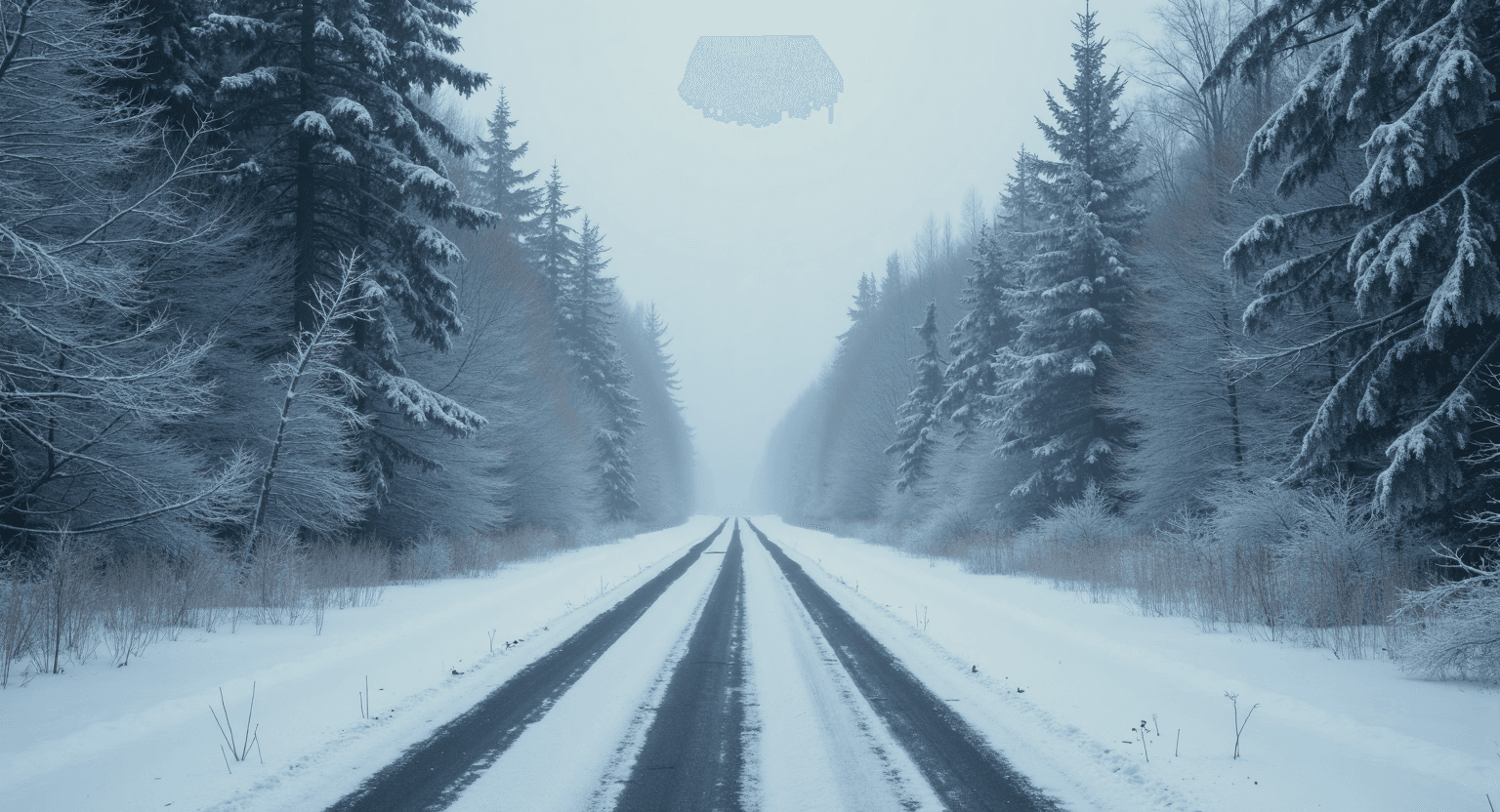
Take the speaker’s dilemma: two paths in a yellow wood, both equally untrodden. He squints at them, weighs his options, and—after a whole lot of deliberation—picks one. Only later does he admit, almost as an afterthought, that the roads were *“worn… really about the same.”* So much for the myth of the “less traveled” path. The choice wasn’t some heroic stand against the crowd; it was a coin flip dressed up in poetic language. And yet, the speaker knows exactly how this story will be told in the future. He’ll spin it as a tale of courage, of daring to go against the grain. Because that’s what we do—we polish our past decisions until they gleam with meaning, even when the truth is far more ordinary.
That’s the real heart of the poem, isn’t it? Not the celebration of nonconformity, but the quiet acknowledgment of how desperately we crave significance. We’re handed a thousand choices a day—what to eat, who to vote for, whether to take the highway or the backroads—and most of them don’t amount to much in the long run. But we can’t help ourselves. We turn them into turning points, into proof that our lives are unfolding according to some grand design. It’s not necessarily a bad thing. In a world that often feels random and indifferent, these little myths give us the illusion of control. They let us believe we’re the authors of our own stories, not just characters swept along by circumstance.
Of course, the poem’s reach extends beyond the personal. Swap out the forest paths for political ideologies or cultural movements, and suddenly Frost’s words take on a different weight. History is full of moments where societies stood at a crossroads, convinced they were choosing the “road less traveled,” only to realize later that the other path might have led to an entirely different outcome. The poem doesn’t offer answers here, either. It just sits with the uncertainty, the way we’ll never truly know what might have been.
There’s an existential edge to it, too. The speaker isn’t just making a choice—he’s creating meaning where none inherently exists. In a universe that doesn’t hand out instruction manuals, the act of choosing becomes an act of defiance. It’s not about the path itself; it’s about the weight we assign to it. That’s the burden and the beauty of it: we’re the ones who decide what matters.
No wonder the poem refuses to fade into obscurity. In an era where algorithms curate our tastes and social media feeds tell us who we should be, the fantasy of the “road less traveled” is more seductive than ever. We’re bombarded with messages to “be unique,” to “stand out,” to “live authentically”—as if individuality were something you could order off a menu. The poem, in its most misinterpreted form, becomes the perfect soundtrack for this kind of thinking. It’s the ultimate justification for every consumer choice, every lifestyle brand, every carefully curated Instagram persona.
But here’s where Frost’s irony cuts deepest. The poem isn’t a permission slip for self-mythologizing; it’s a gentle nudge to question it. It asks us to look at the stories we tell ourselves and wonder: *How much of this is real, and how much is just the way we’ve chosen to remember it?* The roads we take are rarely as distinct as we imagine. The choices we agonize over often don’t change much at all. And yet, we keep spinning those tales, because the alternative—acknowledging that life is mostly a series of accidents and arbitrary decisions—is a lot harder to swallow.
That’s the enduring power of *The Road Not Taken*. It doesn’t give us easy answers. It doesn’t even give us a clear moral. What it does is hold up a mirror to our need for narrative, our hunger for meaning, our stubborn insistence that our lives are unfolding according to some grand plan. The “road not taken” isn’t a call to action—it’s an invitation to pause, to reflect, to recognize the quiet artistry in the stories we tell ourselves. And maybe, just maybe, to laugh at how seriously we take them.