 Posted by
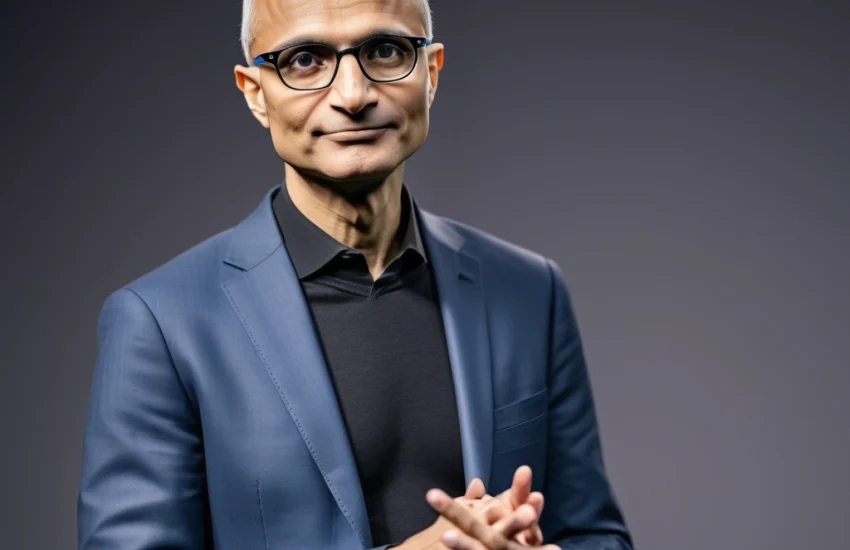
 The Power of Empathy: Satya Nadella's Leadership Philosophy
In today’s intricate and globally interconnected landscape, empathy has transcended its former perception as a mere soft skill, emerging as a pivotal determinant of success across diverse sectors. Satya Nadella, the CEO of Microsoft, has been a vocal proponent of this paradigm shift, famously articulating that empathy is not a soft skill – it’s a hard currency in the economy of human potential. This perspective underscores a fundamental change in how leaders must operate, moving beyond traditional metrics to embrace a more human-centered approach. Nadella’s leadership philosophy emphasizes empathy as a strategic imperative that has demonstrably impacted Microsoft’s trajectory. By prioritizing the understanding of diverse perspectives and actively listening to the needs of both employees and customers, Microsoft has fostered a culture of inclusivity and innovation. This approach has led to the development of products and services that are more attuned to the real-world needs of users, resulting in increased customer satisfaction and loyalty. Furthermore, the emphasis on empathy within the company has created a more supportive and collaborative environment for employees, leading to improved team dynamics and a greater sense of belonging. The shift towards empathetic leadership has also enabled Microsoft to attract and retain top talent, as individuals are increasingly seeking workplaces that value their well-being and perspectives.
The transformation at Microsoft under Nadella’s leadership provides a compelling case study for other organizations seeking to harness the power of empathy. It showcases that empathy is not merely a feel-good concept but a critical business strategy that drives tangible results. For example, the development of accessibility features in Microsoft products is a direct result of the company’s commitment to understanding the needs of all users, including those with disabilities. This empathetic approach has not only expanded the company’s market reach but has also reinforced its reputation as a socially responsible and inclusive organization. Moreover, the emphasis on empathetic leadership has fostered a culture of psychological safety, where employees feel comfortable sharing their ideas and concerns without fear of judgment, leading to increased innovation and creativity.
Empathy can be a powerful catalyst for positive change within an organization, driving both business success and employee well-being. In the context of leadership, empathy is about more than just understanding others’ feelings; it’s about using that understanding to make better decisions and create a more positive impact. Empathetic leaders are able to build stronger relationships with their teams, foster trust, and inspire greater collaboration. They are also more adept at navigating complex situations, as they can see issues from multiple perspectives and find solutions that benefit all stakeholders. This approach is particularly crucial in the technology sector, where innovation is driven by diverse teams working together to solve complex problems. By prioritizing empathy, leaders can create an environment where individuals feel valued, respected, and empowered to contribute their best work. This, in turn, leads to increased productivity, higher employee engagement, and a more innovative and successful organization. The ability to connect with and understand others is becoming an increasingly valuable leadership quality in our rapidly evolving world.
Empathy as a Driving Force at Microsoft
Satya Nadella’s deep-seated belief in empathy as a cornerstone of effective leadership stems from a blend of personal experiences and keen observations of the tech landscape. He recognized early on that understanding the diverse perspectives of employees, customers, and partners is not just a matter of ethical practice but a strategic imperative for driving innovation and growth. This commitment to empathy is not merely a theoretical concept at Microsoft; it’s actively cultivated through initiatives that encourage active listening, open communication, and a culture where vulnerability is seen as a strength, not a weakness. Nadella’s approach has fundamentally reshaped Microsoft’s internal culture, moving it away from a competitive, siloed environment towards one that prioritizes collaboration and shared success. This shift has had a profound impact on the company’s ability to innovate and respond effectively to the ever-changing demands of the technology industry, including restorative sleep in the digital age.
On the flip side, at Microsoft, empathy is not confined to internal interactions; it extends to the way the company engages with its customers and partners. Nadella has emphasized the importance of understanding the needs and challenges of those who use Microsoft products and services, which has led to a more customer-centric approach in product development and support.
This focus on understanding customer pain points has been instrumental in driving higher levels of customer satisfaction and loyalty, contributing significantly to the company’s financial success. By actively seeking feedback and incorporating diverse perspectives, Microsoft has been able to create solutions that are not only technically advanced but also user-friendly and relevant to a wide range of users. This customer-centric empathy has become a defining characteristic of Microsoft’s business strategy under Nadella’s leadership. Furthermore, the emphasis on empathy has had a tangible impact on team dynamics and employee well-being at Microsoft. By fostering a culture of trust and inclusivity, where employees feel safe to share their ideas and concerns, Nadella has created an environment where teams are more collaborative and productive. This has led to higher levels of employee engagement, reduced turnover rates, and a more positive overall work environment. Studies have shown that empathetic leadership is directly correlated with improved team performance and innovation, and Microsoft’s experience under Nadella serves as a compelling example of this. The company has seen significant improvements in employee satisfaction scores and a marked increase in the number of innovative products and services launched since Nadella took the helm. Nadella’s leadership style also emphasizes the importance of understanding the impact of technology on society and the ethical considerations that come with it. He has championed the idea of responsible innovation, ensuring that Microsoft’s technological advancements are aligned with human values and contribute to the greater good. This ethical approach is rooted in empathy, recognizing that technology has the power to transform lives for better or worse, and that it is the responsibility of tech leaders to guide its development in a way that benefits all of humanity. By prioritizing empathy in its technological endeavors, Microsoft is not only driving innovation but also setting a new standard for corporate responsibility in the technology industry. In essence, Satya Nadella’s leadership at Microsoft is a compelling case study in the power of empathy as a driving force for business success. His focus on understanding diverse perspectives, actively listening to others, and cultivating a culture of trust and inclusivity has not only transformed the company’s internal culture but also significantly influenced its interactions with customers, partners, and the broader community. By prioritizing empathy, Nadella has fostered a more collaborative, innovative, and ethically responsible environment at Microsoft, demonstrating that empathy is not just a soft skill but a critical component of effective leadership in the age of technology.
Practical Applications of Empathetic Leadership in Technology
Empathetic leadership, in a technology-driven environment, manifests through tangible improvements in team performance and overall productivity. When leaders genuinely understand the needs and motivations of their teams, they can create a more supportive and inclusive work environment, where individuals feel valued and empowered. This understanding goes beyond simply knowing job titles; it’s about recognizing individual strengths, acknowledging personal challenges, and fostering a culture of psychological safety, where team members feel comfortable taking risks and sharing ideas without fear of judgment. This approach, championed by leaders like Satya Nadella at Microsoft, directly impacts team dynamics, fostering stronger collaboration, increased innovation, and higher employee engagement. Satya Nadella’s leadership philosophy exemplifies how empathy, when integrated into leadership practices, can drive significant business results.
For instance, the company’s shift towards a more collaborative and open-source approach to software development can be attributed to Nadella’s emphasis on understanding the needs of the developer community. By actively listening to feedback and addressing pain points, Microsoft was able to create products and services that resonate more deeply with their target audience. This customer-centric approach, driven by empathetic understanding, has not only improved customer satisfaction but has also strengthened Microsoft’s brand reputation and market position. Furthermore, empathetic leadership extends beyond internal team dynamics and customer relations; it also plays a crucial role in fostering innovation.
Still, when leaders prioritize understanding the diverse perspectives and experiences within their teams, they unlock a wider range of ideas and solutions. This inclusive approach encourages team members to challenge the status quo, think creatively, and collaborate effectively to develop cutting-edge technologies. Such a culture of innovation, where different voices are heard and respected, allows companies to anticipate market trends and adapt to changing customer needs, thus maintaining a competitive edge in the rapidly evolving technology landscape. This is a direct result of leaders valuing the human element within the technology space, something Satya Nadella has consistently advocated.
But consider the development of accessibility features within Microsoft products as a direct result of empathetic leadership. By understanding the needs of users with disabilities, Microsoft has been able to create more inclusive and user-friendly technologies. This commitment to accessibility is not only ethically sound but also has a positive impact on the company’s brand image and market reach.
Such a focus on understanding and addressing diverse user needs demonstrates how empathy can translate into innovative solutions that benefit a wider range of customers. This focus on inclusivity has become a hallmark of Microsoft’s approach to product development, showcasing the power of empathetic leadership in action. The success of empathetic leadership in the technology sector, and indeed any sector, is measured not only by financial gains but also by its impact on employee well-being and overall organizational culture.
When leaders prioritize empathy, they create a work environment where employees feel valued, respected, and motivated to contribute their best work. This, in turn, leads to increased employee retention, reduced absenteism, and a more positive and productive work culture. Satya Nadella’s leadership at Microsoft serves as a compelling example of how embracing empathy can be a powerful catalyst for positive change, fostering innovation and driving success in a technology-driven world.
Challenges and Misconceptions of Empathetic Leadership
Empathetic leadership is a must-have for success, but it’s not without its challenges and misconceptions—especially in the tech world. Some leaders worry that empathy means being soft or indecisive, that it might get in the way of making tough calls. But that’s not what empathy is about. It’s not about avoiding hard decisions; it’s about making them with a deep understanding of how they’ll affect your team and stakeholders. It’s about balancing business goals with the human side of things. Imagine you have to restructure your team. An empathetic leader wouldn’t just announce the changes and walk away. They’d communicate openly, acknowledge the fears and anxieties of those affected, and offer support during the transition. That’s not weakness—that’s strength. It’s what makes leadership more effective and humane. But here’s the thing: the tech industry moves fast. Really fast. Innovation and quick results are often prioritized over building interpersonal connections. Deadlines loom, products need to launch, and suddenly, there’s little time for active listening, seeking diverse perspectives, or even noticing the signs of burnout in your team. That’s where empathy comes in. Leaders need to make time for meaningful interactions, create spaces for open dialogue, and encourage feedback without getting defensive. Satya Nadella’s approach has shown how a growth mindset—being open to learning from mistakes and adapting—can transform leadership. This approach builds trust and psychological safety, and it increases the chances of coming up with innovative solutions that meet the needs of diverse users and employees. But scaling empathy across a large organization? That’s a big challenge. What works in a small team might not translate well to a larger structure. Leaders at all levels need to be trained and empowered to practice empathetic leadership, and the organization as a whole must adopt a culture that values and rewards it. It’s not just about a few workshops; it’s about embedding empathy into the company’s DNA—from performance reviews to product design. Microsoft’s transformation under Nadella’s leadership is a great example of how a focus on culture and empathy can drive innovation and employee well-being. And here’s the thing: practicing empathetic leadership isn’t a one-time event. It’s an ongoing journey that requires constant self-reflection and a willingness to learn and adapt. Leaders need to be aware of their own biases and blind spots and actively seek out perspectives that differ from their own. By doing so, leaders not only improve their ability to empathize but also create a more inclusive and equitable environment for all. The payoff? More engaged and productive teams, increased innovation, and higher levels of customer satisfaction. That makes the effort of cultivating empathy not just a moral imperative but a strategic advantage in the competitive tech landscape and beyond.
Strategies for Developing Empathetic Leadership
Developing empathetic leadership requires deliberate effort and ongoing practice, transforming it into a cornerstone of effective management. At its core, empathy begins with active listening—a skill that extends beyond merely hearing words to comprehending the subtle nuances in communication, including nonverbal cues and underlying emotions. Leaders can demonstrate this commitment by asking clarifying questions, summarizing key points to confirm understanding, and providing thoughtful feedback. For example, Satya Nadella at Microsoft has championed this approach by intentionally seeking diverse perspectives, creating a workplace where every voice is valued. This not only strengthens team cohesion but also sparks innovation by integrating a broader range of ideas into decision-making processes.
A critical component of empathetic leadership is seeking and acting on feedback, both formally and informally. Regular feedback loops allow leaders to assess their impact on their teams, identifying strengths in their empathetic practices while pinpointing areas for growth. To foster honesty, leaders must cultivate a safe and inclusive environment where team members feel empowered to share their perspectives without fear of negative consequences. Recognizing and respecting diverse backgrounds, experiences, and viewpoints—whether cultural, generational, or related to individual working styles—is essential in today’s globalized workforce. By embracing diversity, leaders can build a more equitable and respectful workplace where every individual feels seen and valued.
Creating psychological safety within teams is another foundational element of empathetic leadership, a concept highlighted by researchers like Amy Edmondson. When team members feel secure expressing vulnerabilities and taking risks without judgment, they form deeper connections and collaborate more effectively. This environment encourages open communication, mutual support, and innovation, all of which are vital for a thriving workplace. Leaders must model this behavior by demonstrating genuine care for their team’s well-being, both professionally and personally. Sharing their own experiences and showing vulnerability helps build trust and authenticity, inspiring team members to reciprocate and strengthen their relationships.
Microsoft’s leadership under Satya Nadella exemplifies this approach, prioritizing employee well-being and fostering a culture rooted in empathy. By consistently practicing these strategies—from active listening to modeling empathetic behavior—leaders can forge stronger bonds with their teams, cultivate a more compassionate work environment, and drive success in today’s dynamic business landscape. These practices are far from ‘soft skills’; they are indispensable tools for effective leadership, enhancing team dynamics, fostering innovation, and ultimately improving customer satisfaction.
Empathetic leadership is not a one-time effort but a continuous commitment to growth and connection. When leaders integrate these principles into their daily interactions, they create workplaces where empathy is not just valued but embedded in the culture. This approach not only benefits individual team members but also strengthens organizational resilience and adaptability in an era defined by technological advancement and global collaboration. Satya Nadella’s inclusive leadership serves as a powerful example of how empathy can shape a company’s culture and drive success.
The Broader Impact of Empathetic Leadership
The influence of empathetic leadership extends far beyond the technology sector, profoundly affecting employee well-being and retention across diverse industries. Studies consistently demonstrate a robust link between leaders who prioritize empathy and heightened employee satisfaction, motivation, and loyalty. When individuals feel genuinely understood and valued by their leaders, they are more likely to invest themselves fully in their work and demonstrate a steadfast commitment to the organization’s goals. This creates a positive feedback loop where improved employee morale contributes to reduced turnover and a more vibrant organizational culture.
Consider how a leader demonstrating empathy might respond to an employee struggling with personal issues. Rather than focusing solely on performance metrics, an empathetic leader would take time to understand the situation, offer support, and collaboratively explore solutions. This approach helps the employee navigate challenges while strengthening trust and loyalty. In contrast, a leader lacking empathy might dismiss concerns, leading to feelings of isolation and disengagement, ultimately increasing the likelihood of the employee seeking employment elsewhere. This impact on retention is especially critical in competitive markets where attracting and retaining top talent is paramount.
The positive impact of empathetic leadership extends to enhanced team dynamics and customer satisfaction. When leaders foster a culture of empathy, team members feel more comfortable sharing ideas, collaborating effectively, and supporting each other. This improved internal cohesion translates to better problem-solving, increased innovation, and a more productive work environment. Employees who feel valued are more likely to extend that same care to customers, resulting in higher satisfaction scores and improved business outcomes. Satya Nadella’s emphasis on empathy at Microsoft exemplifies how this culture can drive both employee and customer success.
Empathetic leadership also plays a critical role in fostering innovation. By actively listening to diverse perspectives and valuing different viewpoints, leaders create environments where employees feel empowered to share unique insights and challenge the status quo. When employees feel safe to take risks and experiment, they are more likely to generate groundbreaking ideas. This approach highlights the direct link between empathy and innovation. Empathetic leadership serves as a foundational pillar for building high-performing teams, fostering positive organizational culture, and driving sustainable business success in today’s dynamic world.
The Future of Empathy in Leadership
In an increasingly complex and rapidly changing world, empathy is not just a desirable trait but a fundamental requirement for effective leadership. As technology continues to transform the workplace and reshape how we interact, the ability to connect with and understand others on a human level becomes paramount.
This is especially true in the context of innovation, where diverse perspectives and collaborative efforts are crucial for success. Satya Nadella’s emphasis on empathy at Microsoft serves as a powerful example of how embracing this approach can drive both cultural transformation and business results, highlighting the integral relationship between empathy and strategic leadership. The future of successful organizations will be defined by their ability to cultivate empathetic leaders who can navigate complex challenges while fostering a sense of shared purpose and belonging among their teams.
The tech industry, known for its rapid pace and constant innovation, presents unique challenges that require empathetic leadership to overcome. Leaders must not only understand the technical aspects of their work but also the emotional landscape of their teams. This includes recognizing the pressure and stress that can accompany fast-paced projects and actively creating a supportive environment where team members feel valued and heard. For instance, a leader who demonstrates empathy might proactively address concerns about work-life balance by implementing flexible schedules or offering mental health resources. This not only improves employee well-being but also fosters a culture of trust and loyalty, which in turn leads to increased productivity and better team dynamics. The ability to connect with employees on a personal level is becoming an essential skill for any leader in the technology sector.
Furthermore, empathetic leadership extends beyond internal team dynamics and significantly impacts customer satisfaction and business growth. By understanding the needs and pain points of their customers, businesses can develop products and services that truly meet their requirements. This customer-centric approach, which is rooted in empathy, is a key driver of innovation and competitive advantage. For example, Microsoft’s focus on accessibility in their products is a direct result of understanding and empathizing with the needs of people with disabilities. This commitment not only demonstrates social responsibility but also expands their market reach and fosters customer loyalty. In essence, empathy is not only a tool for effective leadership but also a powerful strategy for business success.
Embracing empathy within an organization also fosters a more inclusive and innovative culture. When leaders actively seek out and value diverse perspectives, they create an environment where team members feel safe to share their ideas and contribute their best work. This leads to more creative solutions and a stronger sense of collective purpose. The culture of innovation at Microsoft, for example, has been significantly influenced by Satya Nadella’s emphasis on empathy. By encouraging open communication, active listening, and genuine concern for others, Microsoft has transformed its internal culture and fostered a more collaborative and innovative work environment. This demonstrates that empathy is not merely a soft skill but a crucial element in driving business results and fostering a positive work culture.
The importance of empathetic leadership will only continue to grow as workplaces become more diverse and interconnected. Leaders who prioritize empathy will be best positioned to navigate the complexities of the future, build strong teams, and drive sustainable success. This involves actively listening to employees, understanding their motivations, and creating a culture where every voice is valued. By fostering a human-centered approach to leadership, organizations can create more engaging and productive workplaces that ultimately benefit both their employees and their bottom line. The future of work will be defined by leaders who understand that empathy is not just a nice-to-have but a must-have.